Finalrentals Blog

Published in Guides Category.
Navigating Austria by car is one of the best ways to experience its alpine landscapes, imperial cities, and quiet lakeside villages, offering a level of freedom that fixed transport routes cannot match. From Vienna’s organised boulevards and Salzburg’s historic streets to the winding roads of Tyrol, driving allows you to explore at your own pace and reach places beyond standard tourist routes.
However, when booking a car in Austria, it is important to understand local parking rules and road signs, as regulations are enforced and even small mistakes can result in fines. The country has a highly structured traffic system, so knowing what to expect before you drive makes a noticeable difference to your journey. With Final Rentals, travellers can secure reliable vehicles with ease and focus on the experience rather than the logistics. Let’s take a closer look at the rules that shape driving across Austria before you get behind the wheel.
Why Austria’s Parking Rules and Road Signs Matter

Austria is widely recognised for its organised infrastructure, efficient transport systems, and carefully regulated road networks. While this makes driving convenient, it also means that parking violations and road sign misunderstandings are taken seriously by local authorities. Tourists unfamiliar with Austrian regulations may inadvertently park in restricted zones, overlook payment requirements, or misunderstand traffic restrictions, leading to penalties that can quickly disrupt a holiday.
Parking fines, wheel clamps, or towing can be both expensive and inconvenient, especially when travelling on a tight itinerary. By learning Austria’s key road signs, city-specific parking systems, and legal obligations before your trip, you can significantly reduce stress and ensure your driving experience remains enjoyable. Preparation not only saves money but also allows you to focus on Austria’s remarkable attractions rather than administrative complications.
Parking Rules Every Tourist Should Know in Austria
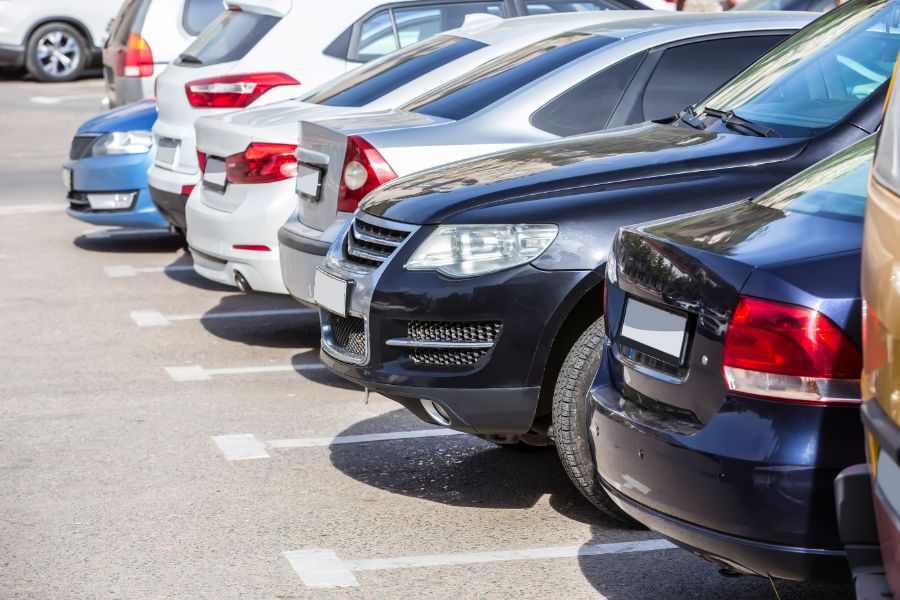
Austria’s parking system is well organised, but tourists should understand the key regulations before driving to avoid fines or unnecessary complications. While local rules may vary slightly by region or city, several core parking systems apply across most of the country.
Structured National Parking Systems: Austria follows clearly regulated parking systems across cities and towns, with local variations depending on the municipality. Understanding these systems helps tourists park legally and avoid penalties.
Kurzparkzone (Short-Term Parking Zones): Common in major cities like Vienna, Salzburg, and Graz, these zones require parking permits, discs, or digital payment during designated hours.
Blue-Marked Parking Spaces: Usually indicate regulated parking areas with time limits or payment requirements that must be followed.
Resident-Only Parking Areas: Reserved for local permit holders and should generally be avoided by tourists unless explicit authorisation is provided.
No-Parking and No-Stopping Zones: Strictly enforced areas with clear signage, where violations can result in fines, towing, or legal penalties.
Parking Garages and Underground Car Parks: Often the safest and most practical choice for tourists, especially in busy city centres where street parking may be more complex.
Common Austrian Parking Signs Explained
Austria follows European traffic signage conventions, but many signs include German terminology that may initially confuse international drivers. A “Parken Verboten” sign, represented by a blue circle with a red diagonal line, indicates that parking is prohibited, though brief stops may sometimes be allowed. A “Halten und Parken Verboten” sign, marked by a blue circle with a red cross, prohibits both stopping and parking entirely.
“Kurzparkzone” signs indicate designated short-term parking areas, often accompanied by supplementary information regarding hours, payment methods, and duration limits. “Gebührenpflichtig” signifies that payment is required, while “Anrainer Ausgenommen” means parking exceptions apply only to residents. Familiarity with these terms is invaluable when driving in Austria, particularly in busy urban environments where signage can be frequent and detailed.
Parking Rules in Major Austrian Cities
Parking regulations across Austria’s major cities can differ significantly, making local awareness essential for tourists planning to drive. Understanding city-specific systems helps reduce confusion, avoid fines, and ensure smoother travel throughout your journey.
City-Specific Parking Systems: Austria’s major cities each operate under their own municipal parking regulations, with varying rules, restrictions, and enforcement practices. Researching local systems before arrival can prevent unnecessary complications.
Vienna: Vienna has an extensive short-term parking system covering most districts, with weekday permits often required and strict enforcement. Public garages are usually the safest option for tourists staying in central areas.
Salzburg: Salzburg’s historic centre has limited parking and prioritises pedestrians, making direct city-centre parking more difficult. Park-and-ride facilities are often the most practical choice for visitors.
Innsbruck: Innsbruck includes seasonal parking considerations linked to ski tourism, winter road conditions, and mountain access restrictions. Winter travellers should pay close attention to seasonal regulations.
Graz and Linz: These cities maintain structured paid parking systems with clearly defined municipal rules, similar to other major Austrian urban areas.
Researching parking regulations before arriving in each city can save time, reduce stress, and help ensure a smoother driving experience throughout Austria.
Important Road Signs Tourists Must Recognise

Understanding Austrian road signs extends beyond parking regulations and is essential for safe driving overall. Priority road signs, often displayed as yellow diamonds, indicate roads where drivers have the right of way. Speed limit signs are posted in kilometres per hour and must be followed carefully, as Austria enforces traffic violations rigorously through cameras and police patrols.
Environmental zones in Austria may limit access for certain vehicle types, particularly in urban areas focused on reducing emissions. In alpine and mountainous regions, especially during winter, blue road signs often indicate mandatory snow chains or winter tyres to ensure safe driving conditions.
Motorway travel also comes with specific toll requirements, as most Austrian motorways require drivers to display a valid vignette, which serves as a road tax sticker. While reputable rental providers typically include this vignette with their vehicles, tourists should always confirm its presence before setting out to avoid fines or travel disruptions.
Speed Limits in Austria
Austria’s speed regulations are clearly structured, but tourists should remain alert to local changes and temporary restrictions while driving. Understanding national limits and enforcement practices is essential for avoiding fines and ensuring safe travel.
National Speed Limit Framework: Austria follows standard national speed limits across different road types, but local conditions may alter these limits. Drivers should always prioritise posted signage over general national rules.
Urban Speed Limits: Standard speed limits are typically 50 km/h in cities and built-up areas unless otherwise indicated.
Rural Road Speed Limits: Most rural and secondary roads generally allow speeds up to 100 km/h.
Motorway Speed Limits: Austrian motorways usually have a maximum speed limit of 130 km/h under normal conditions.
Temporary Reductions: Construction zones, poor weather, environmental controls, and safety regulations may impose lower temporary speed limits.
Strict enforcement means speed limits should never be taken lightly, as automated cameras and police monitoring are widespread throughout Austria. Even minor offences can result in fines, along with additional administrative charges from rental car providers.
Parking Payment Methods in Austria
Austria provides several convenient parking payment options designed to accommodate both residents and visitors. Traditional parking meters remain common, particularly in smaller towns and city districts. In larger cities such as Vienna, mobile parking apps offer a convenient digital solution that allows drivers to manage parking remotely.
Prepaid parking vouchers are often available from local kiosks, tobacconists, or vending machines, while larger commercial car parks usually employ automated payment systems. Understanding payment options in advance can streamline your travel experience and reduce the likelihood of accidental violations.
Avoiding Parking Fines and Towing
Parking fines in Austria can vary significantly depending on the offence and location, but they are generally strict enough to warrant caution. Illegally parked vehicles may be fined, clamped, or towed, with towing charges often far exceeding the original penalty.
Tourists can minimise risks by carefully reviewing parking signs, observing time restrictions, confirming payment requirements, and avoiding residential or restricted zones. When uncertainty arises, using official garages or monitored public car parks is usually the safest choice.
Winter Parking Considerations
Austria’s winter conditions introduce additional responsibilities for drivers, particularly in alpine or ski resort regions. Snow clearance regulations may prohibit parking on certain streets during designated hours, while seasonal restrictions may affect access to mountain roads or tourist areas.
Winter tyres are legally required under specific seasonal conditions, and snow chains may be mandatory in certain locations. Tourists renting a car during winter should confirm vehicle equipment compliance and remain vigilant regarding changing local regulations.
Benefits of Renting from a Trusted Provider

Choosing a reputable provider for your car rental in Austria can make navigating the country’s driving laws significantly easier. Final Rentals provides transparent rental agreements, reliable customer support, well-maintained vehicles, and practical guidance on local regulations.
This added clarity can be especially valuable for international travellers unfamiliar with Austrian legal requirements. By selecting a dependable provider, travellers can enjoy greater confidence when driving, parking, and exploring throughout Austria.
Tips for Stress-Free Driving in Austria
A successful road trip through Austria depends on careful preparation and awareness of local driving conditions. Planning helps reduce stress, avoid fines, and ensures a smoother experience across cities, highways, and alpine routes.
Pre-Trip Preparation and Organisation: Proper planning before driving in Austria improves efficiency and helps avoid delays, fines, and parking issues. It ensures you are ready for varying road and city conditions.
Parking, Navigation, and Documentation: Planning parking in advance, using navigation apps for legal spaces and traffic updates, and carrying essential documents such as your licence, passport, insurance, and rental agreement helps ensure compliance and smoother travel.
Budgeting and Road Awareness: Factoring in tolls, parking fees, and city charges prevents unexpected costs, while staying alert to road signs and local conditions ensures safe and efficient driving throughout Austria.
Exploring Austria by Rental Car
Austria’s extraordinary diversity makes it an ideal self-drive destination. Whether you are visiting Hallstatt’s lakeside beauty, Salzburg’s musical heritage, Vienna’s imperial grandeur, or the snow-covered peaks of the Austrian Alps, having your own vehicle offers unparalleled flexibility.
When you rent a car in Austria, you gain the freedom to travel on your own schedule, discover hidden gems, and access regions beyond standard tourist routes.
Confident Driving in Austria with Final Rentals
Austria offers one of Europe’s most scenic and well-regulated driving experiences, but understanding parking rules and road signs is essential for a smooth, stress-free journey. Familiarising yourself with local parking systems, road signage, speed limits, and seasonal requirements helps you avoid fines and travel with greater confidence while making the most of your trip.
For dependable service and straightforward travel planning, renting a car with Final Rentals makes it easy to book a car in Austria with confidence. Whether you are planning a city break, an alpine escape, or a longer road trip, choosing to rent a car gives you the freedom and flexibility to explore the country on your own terms. To make your experience even smoother, download the Final Rentals app on Google Play or the App Store before your journey for easy booking, management, and support on the go.
Frequently Asked Questions
Do you have to pay for parking when leaving a rental car in central Vienna or Salzburg?
Yes, most central districts in Austrian cities require paid parking, especially in regulated short-term zones where time limits are strictly enforced. Tourists who ignore payment rules or time restrictions are likely to receive fines.
How does short-term parking regulation (Kurzparkzone) actually work in Austrian cities?
A Kurzparkzone is a controlled parking area where drivers must display a ticket, use a parking disc, or pay digitally within set time limits. These zones are commonly found in busy urban areas to manage high parking demand.
What happens if you accidentally break parking rules while driving a rental car in Austria?
Parking violations can lead to fines, and in some cases, vehicles may be clamped or towed depending on the severity of the offence. Rental companies may also add administrative fees on top of official penalties.
Can tourists easily understand Austrian road signs when driving outside major cities?
Most Austrian road signs follow standard European formats, but many include German terms that may be unfamiliar at first. Learning key words such as parking restrictions and priority rules helps avoid confusion on the road.
Is the motorway vignette always included when renting a car in Austria?
Most reputable rental providers include the motorway vignette in the vehicle, allowing access to toll roads without additional steps. However, it is still important to confirm this at pick-up before starting your journey.