Austria is a wonderful destination for a road trip, offering breathtaking Alpine scenery, historic cities, charming villages and picturesque lakes. Whether you are exploring Vienna, discovering Salzburg or driving through the mountain roads of Tyrol, having a car gives you the freedom to experience more of the country at your own pace. However, before setting off, it is important to understand Austrian driving laws to ensure a safe and hassle-free journey.
From speed limits and motorway tolls to parking and winter driving rules, understanding local regulations helps you avoid fines and travel with confidence. Final Rentals can help you explore car hire options for your Austrian road trip.

Before driving in Austria, check that your driving licence is valid and accepted by the local authorities. Requirements depend on where your licence was issued, so confirm the rules before travelling.
EU and EEA licences: These are generally recognised in Austria.
Licences issued outside the EU or EEA: Depending on the issuing country and the language of the licence, you may need an International Driving Permit (IDP) or an official German translation.
Original documentation: An IDP supplements your original driving licence; it does not replace it.
Rental requirements: Car hire companies may impose minimum-age requirements and require drivers to have held their licence for a specified period.
If you plan to rent a car in Austria, prepare your driving licence, passport or other accepted identification, booking confirmation and payment card. Check your rental provider's requirements before arrival to avoid delays at collection.
Speed limits in Austria are displayed in kilometres per hour (km/h). For standard passenger cars, the usual limits are:
Road type | General speed limit |
Built-up areas | 50 km/h |
Open roads outside built-up areas | 100 km/h |
Motorways | 130 km/h |
These are general limits, and lower restrictions may apply. Always follow posted signs, particularly around roadworks, towns and mountain routes.
International visitors should pay attention to signs indicating speed restrictions, restricted access, parking regulations and motorway requirements. Road conditions can also change quickly, especially in mountainous areas.
Driving tip: Do not rely solely on your navigation app for speed limits. Follow road signs and adjust your speed to traffic, visibility and weather conditions.
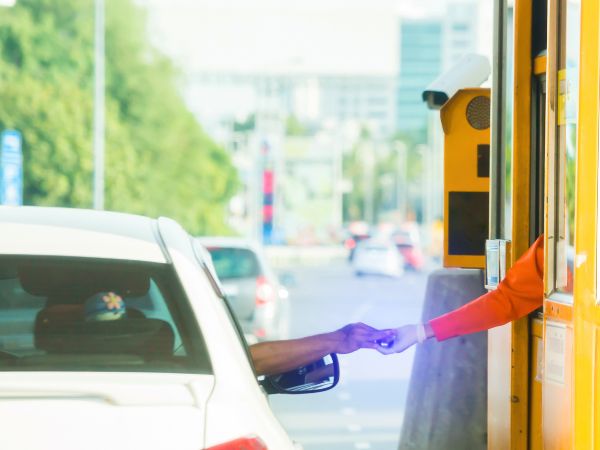
Most Austrian motorways and expressways require a valid vignette for vehicles covered by the standard toll system. A vignette is a time-based toll available in digital or sticker form. Certain tunnels and Alpine routes also have separate section tolls, so a vignette may not cover every road on your itinerary.
Before setting off:
Check your route: Establish whether you will use motorways or expressways.
Confirm existing coverage: Ask your rental company whether the vehicle has a valid vignette.
Check additional tolls: Some tunnels and designated routes require separate payments.
Verify validity: Make sure the vignette covers your travel dates and is valid before using the toll road.
Driving tip: Do not assume motorway tolls are included in your rental price. Confirm the arrangements before starting your journey.
Seat belts are compulsory for drivers and passengers in Austria. Everyone should be properly restrained before the vehicle moves.
If you are travelling with children, check the applicable child-restraint requirements. Children under 14 who are shorter than 135 cm generally need an appropriate child restraint.
Before your journey:
Request a suitable child seat or booster when booking your rental car.
Check that the restraint matches the child's size and is installed correctly.
Ensure luggage is secured and does not obstruct the driver's view.
Adjust your mirrors and seating position before leaving the collection point.
These precautions are particularly important on winding Alpine roads, where sudden braking and sharp turns can make unsecured items dangerous.
Austria has strict rules on distracted driving and drink-driving. Visitors should understand the requirements before getting behind the wheel.
Drivers must not hold and use a mobile phone while driving, except where specifically permitted by law. Calls are allowed through an appropriate hands-free system.
A phone may be used as a satellite navigation device when securely attached inside the vehicle. Texting, browsing the internet, and checking social media while driving are prohibited.
To stay safe:
Set your destination before moving off.
Secure your phone in a suitable holder if using it for navigation.
Use a permitted hands-free system for calls.
Stop somewhere safe and legal if you need to read a message or change your route.
The general blood alcohol limit for most drivers is 0.5‰ (0.5 grams per litre of blood). Stricter limits apply to certain drivers, including some novice and professional drivers.
Alcohol can affect judgement and reaction times even before you feel intoxicated. If you plan to drink, arrange alternative transport rather than driving. Drink-driving offences can result in fines and other legal consequences.

Austria's mountain scenery is spectacular, but winter weather can make driving challenging. Snow, ice, slush and fog can affect road conditions, sometimes with little warning.
For cars and light vehicles weighing up to 3.5 tonnes, Austria has a situational winter-tyre requirement from 1 November to 15 April.
Winter tyres must be fitted on all wheels when driving in wintry conditions during this period.
Snow chains may be used as an alternative in permitted circumstances when the road is covered with a sufficiently continuous layer of snow or ice.
Check that your rental car has suitable tyres before travelling into mountainous areas.
The requirement depends on actual road conditions, not simply the calendar date.
Check weather forecasts and road conditions before departure.
Allow extra time and leave a generous gap between vehicles.
Reduce speed before downhill sections and avoid sudden braking.
Check for mountain-pass closures and temporary restrictions.
Delay your journey if conditions become unsafe.
Do not assume a rental car is equipped for winter driving simply because it is available to hire. Confirm the tyres and any restrictions with your rental provider.
Parking rules vary by city and neighbourhood. In Vienna, Salzburg and Innsbruck, you may encounter short-term parking zones, time limits, payment requirements and restrictions that apply only at certain times.
Before leaving your car, check the following:
Parking signs: Confirm when parking is permitted and how long you can stay.
Payment requirements: Check whether you need a ticket, permit, or digital payment.
Restricted spaces: Do not park in disabled bays without the required authorisation or where your vehicle obstructs traffic.
Hotel parking: Ask whether your accommodation offers parking and whether additional charges apply.
Do not assume a space is free because other cars are parked nearby. Local restrictions can vary from one street to the next.
Driving tip: If you are staying in a city centre, compare hotel parking with using a designated car park and exploring the area on foot or by public transport.
Drivers in Austria must carry certain safety equipment, including a warning triangle, a first-aid kit and a high-visibility vest. Before leaving the rental collection point, check that the required equipment is available.
Locate the warning triangle, first-aid kit and high-visibility vest.
Check the headlights, hazard lights and other essential controls.
Confirm the correct fuel type.
Save your rental company's roadside assistance number.
If hiring an electric or hybrid car, understand its charging requirements and expected range.
Move to a safe location if possible and switch on your hazard lights.
On a motorway, stay clear of moving traffic and follow appropriate safety procedures.
Wear a high-visibility vest when required and position a warning triangle safely where necessary.
Call emergency services if anyone is injured or there is immediate danger.
Exchange details with other parties involved in a collision and follow your rental company's reporting procedure.
Take photographs of the incident if it is safe to do so.
Austria's European emergency number is 112. Provide your location as clearly as possible when requesting assistance.

A rental car lets you explore beyond Austria's main cities, from lakeside villages to scenic Alpine routes. Choosing a suitable vehicle and reviewing the rental terms can help you plan a smoother journey.
Consider your itinerary before booking:
City breaks: A compact car can make navigating narrow streets and finding parking easier.
Family holidays: Check passenger capacity and luggage space.
Mountain trips: Consider suitable tyres, vehicle handling and current road conditions.
Electric-car journeys: Plan charging stops and check the vehicle's range.
A larger vehicle is not automatically the best choice for mountain driving. Select a car that suits your route, passengers and experience.
Before confirming your booking, review these important details:
What to check | Why it matters |
Driving licence and age rules | Confirms that you meet the provider's eligibility requirements |
Insurance and excess | Clarifies what is covered and what you may have to pay |
Deposit and payment card | Helps prevent unexpected issues at collection |
Fuel policy and mileage limits | Helps you estimate the total rental cost |
Toll arrangements | Clarifies whether a vignette or other tolls are included |
Cross-border travel | Confirms whether you can take the vehicle into neighbouring countries |
Existing vehicle damage | Creates a record of the car's condition before departure |
When collecting your car, photograph any existing damage and confirm the agreed return time and location. Plan longer drives with enough time for breaks, and check the weather before heading into the mountains.
If you want to rent a car in Austria, Final Rentals offers a starting point for exploring rental options and planning a trip that suits your needs.
For added convenience, search for the Final Rentals app on Google Play or the Apple App Store. Check the listings to confirm app availability in your region.
It depends on where your licence was issued and Austria's documentation requirements. Some visitors need an International Driving Permit or an official German translation alongside their original licence.
For standard passenger cars, the usual limits are 50 km/h in built-up areas, 100 km/h on open roads and 130 km/h on motorways, unless signs indicate otherwise.
Yes, most motorways and expressways require a valid vignette. Some tunnels and routes also have separate tolls. Check ASFINAG's website and confirm what is included with your rental car.
Between 1 November and 15 April, cars up to 3.5 tonnes generally need winter tyres on all wheels when driving in wintry conditions. Snow chains may be permitted in specific circumstances.
Check your licence requirements, age eligibility, insurance, excess, deposit, fuel policy, mileage limits, and toll coverage. Confirm winter equipment and cross-border permissions if needed.